Selling Concept vs Marketing Concept: Key Differences
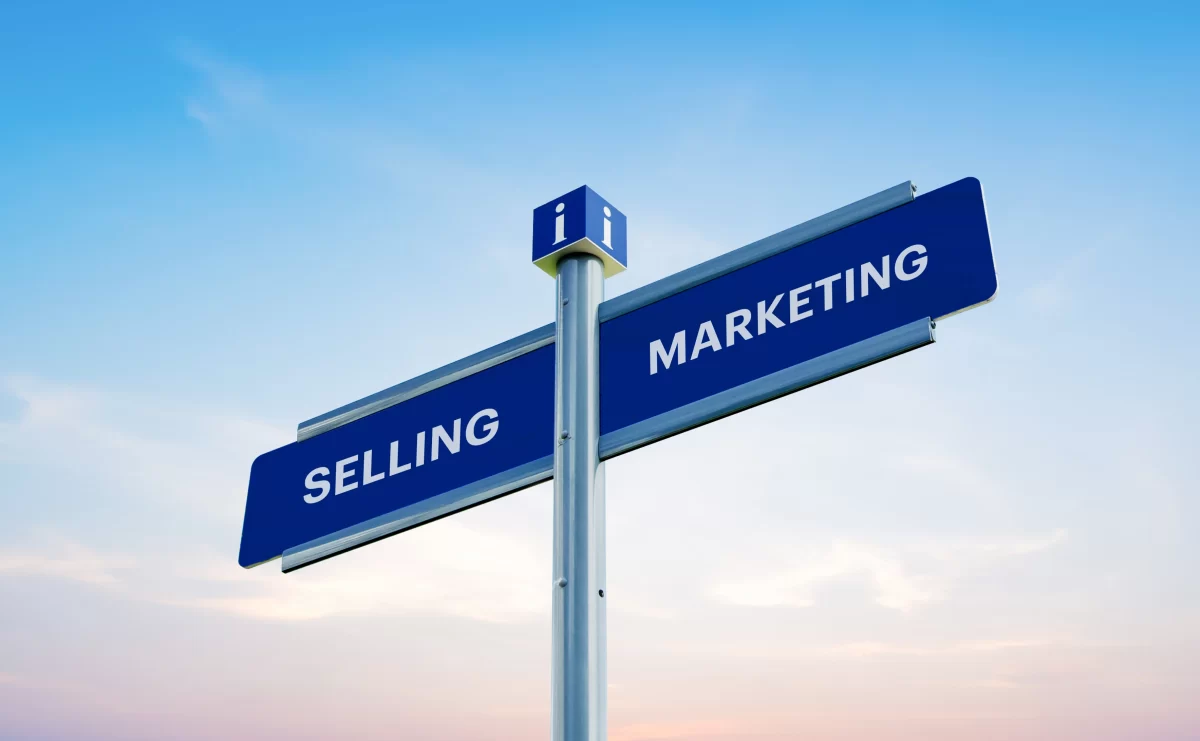
Have you ever noticed how some businesses treat customers like a finish line? You buy once, and they’re done. Others treat you like the whole journey, checking in, adding value, and making you feel seen. That’s the real selling concept vs marketing concept in action.
Selling concept? Think old-school: “we built it, now let’s push it till someone buys.” It’s a product-focused strategy and a very sales-driven approach. The marketing concept flips it: start with the customer, figure out what they actually want, and work backwards. That’s a true customer-centric strategy.
I once saw a brand that treated every new customer like a shiny trophy. Which sounds cool, except trophies mostly just gather dust. Their competitor, though, leaned on the modern marketing concept, building trust, community, and long-term loyalty. Guess who grew faster?
So if you’ve ever wondered about the difference between selling and marketing concepts, or wanted real-life examples of selling concepts vs examples of marketing concepts, this is where we break it down, minus the jargon.
What is the Selling Concept?
The selling concept in marketing is pretty old-school. Think: push hard, sell harder. The idea is simple: if you don’t keep shouting about your product, nobody’s going to buy it. So businesses lean on aggressive ads, promotions, and sometimes even guilt-tripping customers into signing up.
It’s totally product-focused, factory-first, and obsessed with one goal: moving as much stuff as possible. Is the customer actually happy? Ah, that’s a side note.
You’ll spot this in insurance pitches, credit card sales, or those “today only, 70% off!” campaigns that pop up every other week. A classic example of the selling concept is when companies run endless discounts just to clear stock. It works for the moment, but it’s not exactly a recipe for long-term love.
What is the Marketing Concept?
The marketing concept in business isn’t about shoving products at people, it’s more like, “Hang on, what do customers actually care about?” and then working backwards from there.
It’s less factory-first, more people-first. You listen, research, figure out pain points, and then build something that fits. Think Netflix guessing your next guilty-pleasure binge, or Zomato knowing you’ll probably cave and order biryani on a Friday night. That’s not luck, it’s them paying attention.
At its core, it’s simple: happy customers stick around. And in the long run, that’s what keeps a business alive, not just the next quick sale.
Selling Concept vs Marketing Concept: Key Differences
Real-World Example
Selling Concept in Action
1) Amway & MLMs
You know the drill: friends suddenly turning into salespeople, pitching protein shakes at weddings. Amway built an empire on pure hustle. Didn’t matter if you needed it or not, volume was the win. Half the time people ended up with boxes of stuff collecting dust in their garage.
2) Fast-Fashion Season Sales
Walk into Zara at end-of-season and it feels like a war zone. Piles of clothes everywhere, everyone grabbing like it’s the apocalypse. Sure, you leave with three shirts, two of which you’ll regret. But hey, shelves are cleared, that’s the point. Loyalty? Not in the fine print.
3) Insurance Cold Calls
If you’ve ever had a “Sir, policy lena hai?” call right when you’re about to nap, that’s a selling concept at work. Pressure, persistence, repeat. It’s less about your needs and more about their sales target.
Marketing Concept in Action
1) Nike
They could just say “we make good shoes.” Instead, they tell you you can run marathons, climb mountains, or at least jog once a week without hating yourself. “Just Do It” isn’t product marketing, it’s identity marketing.
2) Nykaa
Nykaa didn’t just throw lipsticks online. They gave tutorials, influencers, and “how-to” videos. Basically, they became your glam BFF who also runs a massive store. That’s why it grew into India’s beauty giant, a community before a cart.
3) Netflix
Ever notice how Netflix somehow knows you’re in a rom-com mood before you do? It’s creepy, but in a helpful way. They don’t sell you “watch time,” they sell you comfort: Friday night, blanket, popcorn, no decisions required.
4) Tanishq
Every other jewelry brand screams “Diwali Offer! 50% OFF.” Tanishq? They roll out an ad that makes your mom tear up. They sell stories, traditions, emotions; gold is just the medium. That’s why families trust them, generation after generation.
Why Modern Businesses Need the Marketing Concept
Look, in 2025, customers aren’t sitting around waiting for your pitch. They scroll, compare, and complain on Twitter, and drop you in one tap if they feel you’re just pushing a product. That’s the selling concept in marketing: loud, short-term, and kinda exhausting.
On the flip side, the marketing concept in business isn’t some MBA jargon. It’s literally: listen first, build around customers, keep them happy. (Sounds obvious, but you’d be surprised how many brands still miss it.)
Especially if you’re running a fashion or lifestyle startup in India, the whole selling concept vs marketing concept thing isn’t theory. It’s survival. Push too hard, and you burn trust. Play the long game with a customer-centric strategy, and you actually grow.
Honestly, it’s not rocket science. One treats people like transactions. The other treats them like a community. Which one would you rather bet on?
Conclusion
Here’s the blunt truth about the selling concept vs marketing concept: Selling might get you a quick win. A customer today. Maybe even a bump in revenue. But marketing? That’s what makes people stick around, rave about you, and come back without you dangling a “70% OFF” banner every other week. I’ve seen fashion and lifestyle founders burn cash on discounts, only to realize their competitor, who actually cared about customer satisfaction in marketing, was building loyalty while they were chasing one-time sales. That’s why at Dariaan, we don’t waste time teaching founders how to “sell harder.” We help them build smarter, using the marketing concept in business: customer-first strategies, storytelling that actually connects, and growth systems that don’t collapse after one season. If you’re serious about scaling in fashion or lifestyle, stop treating customers like transactions. Let’s build a brand people choose again and again. Reach out, your competitors aren’t waiting.
Also Read: How Fashion Startups are Scaling with E-Commerce Accelerators