The Rise of Slow Fashion: Why Accelerators Back Purpose-Driven Startups
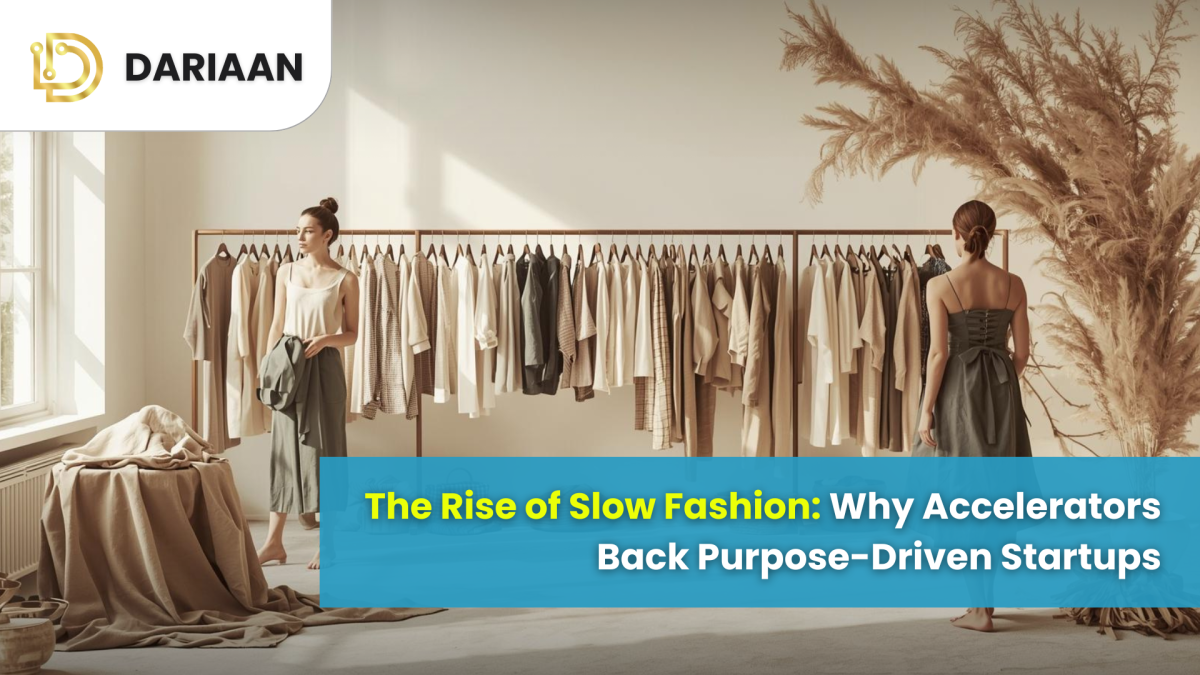
Fashion isn’t what it used to be. Remember the days when it was all about fast? Fast trends, fast production, fast throwaways. That model ruled for years. But honestly, people are tired. Today’s consumers don’t just want another outfit; they want to know where it came from, who made it, and whether it’s going to last past three washes.
That’s slow fashion. Less about hype drops, more about meaning. But here’s the thing, purpose is great, bills are real. In an industry obsessed with speed, how do you grow without selling out? That’s where accelerators sneak into the picture. Not as “corporate suits with money,” but as enablers that give these startups structure, visibility, and a bit of oxygen to scale.
In this blog, let’s find out why accelerators have become such a crucial factor in the slow fashion industry’s success.
What Makes Slow Fashion Different in India
Slow fashion here isn’t just slapping a “sustainable” tag on a kurta and calling it a day. It feels more like a cultural comeback, heritage crafts getting their moment again, people rethinking how much they really need, and design starting to feel personal instead of mass-produced. And the wild part? These brands are showing that ethical fashion doesn’t have to be some expensive niche. It can be aspirational and affordable. (People are actually buying this stuff, not just liking it on Instagram.)
- Artisan-first, not assembly-line:
India’s craft clusters are really the heart of this shift. Do we need another “fast” kurta when artisans are already making magic by hand? Okhai puts rural women front and center with delicate embroidery that carries real stories. Raw Mango? They’ve taken Chanderi and Banarasi and given them a modern twist; suddenly, what used to sit in our mom’s cupboard feels runway-ready. - Timeless over trendy:
Nicobar builds seasonless collections that don’t expire after six months. And 11.11 / eleven eleven? They’re out here pushing naturally dyed khadi and organic cotton, proving that fashion can age beautifully, not awkwardly. - Radical transparency:
No Nasties basically turned honesty into a business model, fair-trade, 100% organic cotton, and a supply chain you can literally trace. In a world of “greenwashed” labels, that’s a flex. - Circular (and cool) solutions:
Resale isn’t just thrifting anymore; it’s becoming mainstream. Relove and Spoyl are helping brands build resale into their business, while Doodlage upcycles textile waste into pieces you’d actually want to wear (not just stash for eco-points).
Because here’s the thing: slow fashion in India isn’t a niche trend. It’s a comeback tour, one that mixes heritage with innovation, and heart with hustle. And it’s only just getting started.
Why Indian Consumers Are Choosing Slow Fashion
India’s fashion market is huge. But here’s the shift, people aren’t just buying clothes anymore, they’re buying values. You can feel it when you scroll, when you shop, even when you listen to how people talk about their wardrobes.
Take shopping habits. After the pandemic, those giant “5 tops for ₹999” hauls lost their charm. I’ve literally heard Gen Z say, “I’d rather own one kurta I actually love than five I regret next week.” That’s not just thrift, that’s a mindset.
And heritage? Total flip. I used to think khadi was for my grandfather’s closet. Now I see twenty-somethings pairing a handloom sari with sneakers and calling it a vibe. Suddenly, what was “old” is aspirational again.
Social media’s pushing it too. Pretty photos still matter, sure, but the posts that actually hook people? The ones where a brand shows the weaver’s hands, or explains why their dye came from pomegranate peels instead of chemicals. A polished ad can’t compete with a good story.
And waste… yeah, it’s staring us down. Piles of discarded fabric in Panipat, landfill shots all over the news, it’s hard to scroll past or pretend it’s “someone else’s problem.” People are waking up. They don’t want to be part of the mess.
So they’re leaning toward brands that actually do something, cut waste, reuse scraps, and flip factory leftovers into new pieces. It feels better to wear something with a story than something that’s just cheap.
Slow fashion in India isn’t a side note anymore. It’s creeping into closets, into conversations, into culture. Give it a little time, and honestly, it won’t feel like a “movement” at all; it’ll just be the way we dress.
Why Accelerators Care About Slow Fashion Now
Here’s the messy truth: passion is wonderful, but passion doesn’t scale. Slow fashion startups face brutal math: higher costs, slower margins, longer paths to profitability. That’s why accelerators are stepping in.
Because structure matters
I’ve seen this up close, accelerators like Fashion for Good-Plug and Play pair tiny eco-startups with giants like Kering. It’s not just funding; it’s systems, supply chain hacks, and mentorship. Passion to process.
Because “impact investors” aren’t just buzzwords
Good accelerators don’t throw founders at random VCs. They bring in capital aligned with ethics, not just exits. That’s game-changing if you’re trying to grow without ditching your values.
Because visibility sells
Ever heard of the Fondation Alaïa x Orveda Prize? They don’t just hand out a cheque. They give designers runway slots, residencies, and global eyeballs. That’s fuel a slow brand could never buy with ads.
So yeah, it’s not just about money. It’s about scaffolding.
How Accelerators Actually Help
Forget the neat chart for a sec (because life isn’t that tidy). Here’s the gist:
Some programs (like Plug and Play + Fashion for Good) geek out on tech, bio-yarns, sustainable supply chains, even biodegradable glitter (yes, that’s real).
Others (Factory 54, Fashion4Good) open doors to retailers, mentors, and actual markets.
And then you’ve got the craft-heavy ones (like Alaïa’s prize) giving artisans and designers a stage instead of just a spreadsheet.
Different flavors, same goal: helping slow brands grow without burning out.
Why This Matters, And What’s Next
A slow fashion brand sounds noble. But is it scalable? That’s the million-dollar question.
From what I’ve seen, the answer is yes, but only with help. Founders like those behind Another Tomorrow, Riley Studio, and Sojo prove consumers are ready. Accelerators just give them the fuel (and guardrails) to keep going.
If you’re building in this space, ask yourself:
Do I need structure to keep craft alive and margins healthy?
Do I want to scale without investors pushing me into fast-fashion shortcuts?
Do I want visibility beyond “niche sustainable label”?
If you nodded at least once, accelerators might be your bridge.
Conclusion
The future of style? It’s not about chasing the next flash sale or dumping last season’s stock in landfills. It’s about purpose, heritage, and clothes that last. And honestly, that’s refreshing. Because, instead of just speed, fashion now has meaning.
Okhai empowers rural women artisans with hand-embroidered pieces, every stitch carries a story. Nicobar leans into seasonless, timeless design. Doodlage? Total rebels, turning factory waste into edgy upcycled fashion. And No Nasties are the OGs, betting on organic cotton and fair trade before it was even cool.
Put them together and you see a pattern, slow fashion isn’t some niche experiment. It’s becoming the new standard. But here’s the thing: passion doesn’t scale. Trust me, I’ve seen founders with brilliant ideas stall, not because the product wasn’t amazing, but because growth is… well, messy.
That’s where fashion accelerators like Dariaan can really change the game. We don’t do jargon decks. We roll up our sleeves, helping with product–market fit, phygital scale-up strategies, and yes, getting the right investors to actually pay attention.
So if you’re building a fashion startup in India, here’s the real question: do you want to keep chasing trends, or build something that outlives them?
If it’s the latter, you should probably visit our website and book a call right away.