Community-Led Growth: Building Brand Tribes Through Creator-Led Micro-Communities

It rarely begins with a glossy campaign or a calculated funnel. It begins with someone – maybe you – casually sharing a product on a story. A cousin spots it, reshapes it into a reel. A college friend leaves a comment. Suddenly, your brand is being discussed in a micro-circle where no ad could have entered. What feels like a ripple is actually the foundation of community led growth. And in today’s crowded D2C fashion space, this ripple can turn into a tide.
Why Micro-Communities Beat Mega-Followings
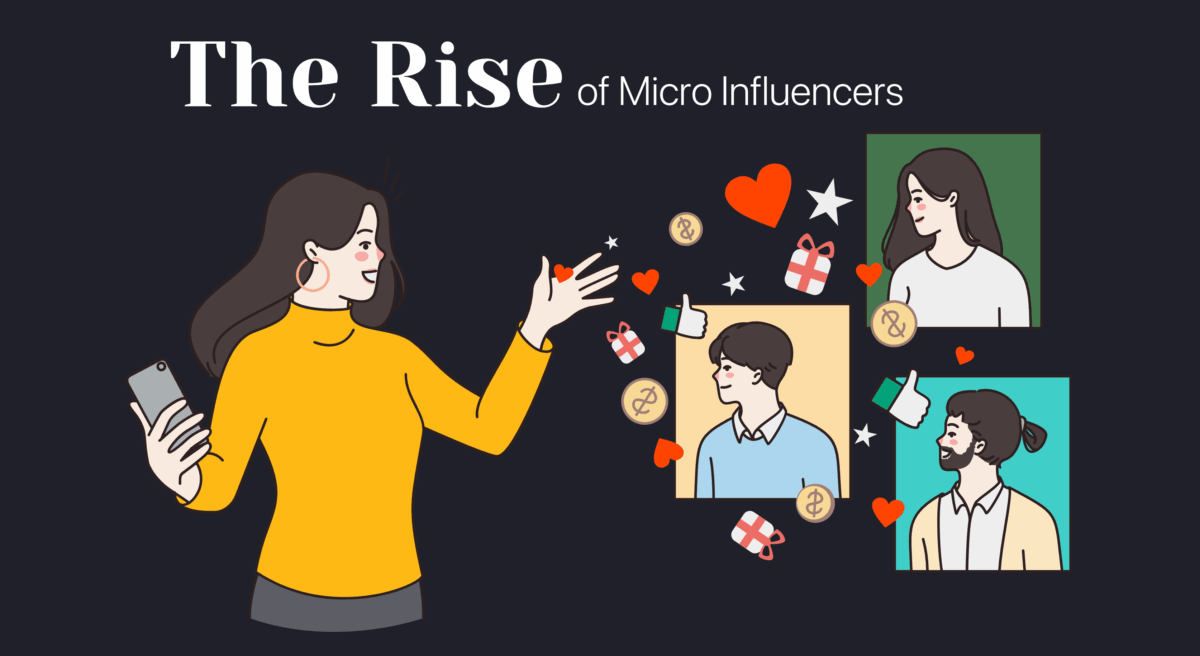
You’ve seen the numbers: a million followers on one influencer’s page, yet less than 1% conversion. Then there’s a micro-creator with just 10,000 followers, but every time they drop a product mention, their audience listens, asks questions, even argues about it. The second scenario is where real traction lies.
Mega reach feels good on paper, but it’s shallow. Micro-communities are different – they thrive on closeness, familiarity, and trust. The creator isn’t just promoting; they’re conversing. And you’re part of that conversation if you choose to join. For a brand, this is not about chasing attention. It’s about cultivating identity. It’s about creating spaces where customers see themselves, their struggles and their aspirations reflected.
If you’re still wondering why intimacy outshines scale, it’s because intimacy breeds belonging. And belonging is the most underrated driver of retention.
The Mechanics of Tribe Formation
Think of this as building a house, but the blueprint is psychological. People don’t just buy; they gather around values. Tribe formation rests on three pillars:
- Shared Belief: What your brand stands for is more magnetic than what you sell. If you’re in fashion, is it inclusivity, sustainability, or self-expression? Take Dariaan for instance – it doesn’t just guide fashion startups to scale; it believes in building fashion ecosystems that combine creativity with commerce. That belief attracts founders who resonate with it.
- Space to Connect: Not a faceless community wall, but curated spaces – think Telegram pods, Discord fashion lounges, or a series of virtual trunk shows hosted by niche creators. These micro-spaces feel personal, not performative.
- Recognition: Your tribe members want to feel visible. Acknowledging UGC, highlighting feedback, and celebrating early adopters creates loyalty no campaign budget can buy.
But remember, belonging doesn’t look neat. And that’s the point.
Embracing Chaos: Why Unscripted Narratives Win
Unpolished conversations are where trust lives. You might fear that letting micro-communities lead the narrative could open the door to criticism. But ask yourself: what builds more credibility – a spotless wall of praise or an honest mix of love and constructive feedback?
Suppose a creator says, I adore the fabric, though the fit runs slightly snug. Instead of erasing that voice, your tribe rallies. Some share hacks to style it differently. Others chime in with requests for size inclusivity. What you get is a free focus group – one that also feels emotionally invested in the solution. Dariaan has long emphasized this in its consulting: don’t fear feedback, frame it as co-creation. In fashion especially, co-creation strengthens identity.
Which brings us to structure. How do you actually build this ecosystem without suffocating it?
A Flowchart for Community Design
Imagine a flowchart drawn on paper. The arrows are simple, but the implications run deep:
- Step 1: Define a core belief that extends beyond your product.
- Step 2: Align with micro-creators already living that belief authentically.
- Step 3: Create intimate digital spaces – not larger than 200 members initially.
- Step 4: Seed those spaces with honesty – behind-the-scenes, failures, learning moments.
- Step 5: Empower members to speak more than the brand.
- Step 6: Recognize their voices by highlighting contributions publicly.
- Step 7: Feed insights back into your product and positioning.
It feels like facilitation, not control. That difference is where community-led growth blooms. Dariaan itself embodies this approach – it doesn’t dictate how fashion startups should grow; it curates micro-strategies, listens deeply, and shapes each brand’s unique path.
Now, you might ask – is this all just feel-good theory, or does it actually drive revenue?
The ROI of Belonging
There’s nothing abstract here. Retention curves don’t lie. A customer you reel in through a performance ad may drop off after the first purchase. A customer embedded in a tribe? They stick, they repeat, they advocate.
| Growth Channel | Retention Curve | Acquisition Cost | Advocacy Potential |
| Paid Ads | Drops after 2-3 purchases | High | Minimal |
| Mega Influencers | Spikes briefly | High | Short-lived |
| Creator-Led Micro-Communities | Sustained over 6-10 purchases | Medium | Long-term |
For founders, this means not just better margins, but stability. And stability, in the volatile fashion market, is survival. Dariaan stresses this value constantly – growth that compounds through loyalty, not just visibility.
Still, many founders hesitate. They think community is slow, intangible. So here’s a grounded way to start.
From Hesitation to Action: A Checklist for Founders
You don’t need massive budgets or teams to test this model. Begin where you are. A simple six step starter checklist:
- Spot three creators who already echo your values in their own voice.
- Approach them to host conversations, not just posts.
- Set up a micro-community (Telegram, Discord, or a private Insta circle).
- Share a founder’s note – raw, imperfect, human.
- Recognize the first wave of contributors. Highlight them publicly.
- Measure feedback loops and adapt your next collection, not just your next campaign.
Dariaan’s core strength is helping founders run this playbook at scale from sourcing the right creators to designing communities that outlast seasonal hype. That’s the edge a growth consultant brings: clarity, speed and frameworks where most startups fumble.
Finally, let’s zoom out. What’s really happening when you build a tribe?
The Cultural Analogy: From Villages to Virtual Tribes
Centuries ago, commerce in India was inseparable from community. The weaver, the blacksmith, the potter – they weren’t vendors but participants in a living social fabric. Buying from them meant reinforcing belonging.
Today, creator-led micro-communities replicate that structure in digital form. They’re the new-age village squares where people don’t just consume; they converse, critique, and co-create. Your role as a brand isn’t to dominate the conversation but to host it. And when you host well, loyalty becomes generational.
That’s the promise of community-led growth. That’s what makes brand tribes not just a marketing strategy but a cultural reset. And with partners like Dariaan – who bring fashion-first strategy, phygital insight, and community frameworks – founders aren’t left guessing. They’re guided into building brands that don’t just sell, but belong.
Also Read: Tried Everything, Still Stuck at 50 Orders a Month? Here’s the Brutal Fix