How Micro-Influencer Collaborations Can Build Early Brand Trust Without Huge Ad Budgets
Running a fashion startup? Then you already know the annoying paradox: customers won’t buy until they trust your brand, but earning that trust usually comes with a price tag you can’t really afford. Big ad spends, celebrity tie-ups, those glossy campaigns everyone flexes on LinkedIn. They look fancy, but for an early-stage founder, they’re more “ouchie” than ROI.
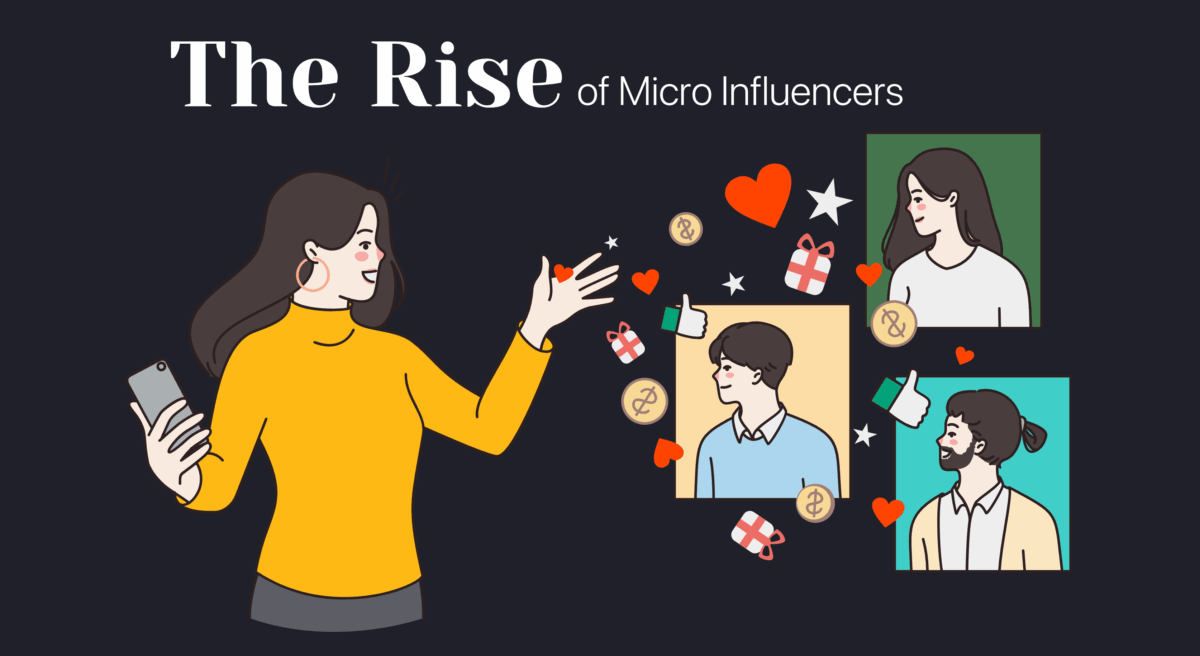
And let’s be honest, blowing your seed money on Facebook ads is like pouring water into a leaky bucket. Feels good for a week, then nothing sticks. That’s why micro-influencer marketing is such a game-changer. We’re talking about creators with 5K, 10K, maybe 20K followers, not household names, but people whose audience actually listens. They don’t just “influence,” they chat, reply to DMs, share outfits the way a friend would. That’s gold when you’re trying to build brand trust on a shoestring.
Here’s the thing: this blog isn’t just another “growth hack.” It’s real fashion startup marketing that works when your budget is thin but your ambition isn’t. And in the early days, that mix matters way more than shiny ads or celebrity endorsements.
What Are Micro-Influencers and Why Do They Matter?
Micro-influencers are social media creators with somewhere between 5,000 to 100,000 followers. Not “celebs with PR teams,” just regular people who’ve built tight communities around fashion, lifestyle, or even something oddly specific like “eco-friendly workwear for teachers.”
For a D2C fashion brand, that’s a big deal. People might scroll past your ad, but when someone they already follow says, “I’ve been living in this kurta,” it lands differently. It’s trust built through familiarity, and no billboard campaign can buy that.
How Micro-Influencers Build Brand Trust
The magic isn’t in polished campaigns. It’s in the little things:
- Their recommendations feel like a WhatsApp nudge from a friend, not a hard sell.
- A 7k-follower creator might get 700 likes on a reel, which is insane compared to the dead reach of big celebs.
- Sometimes, they’ll answer DMs about fit, styling, or fabric. Try getting that from a Bollywood star.
One of the brands we worked with sent a ₹2,000 kurta set to a sustainability blogger. That single reel drove more sales than the ₹20,000 Facebook campaign we ran the same week. Go figure.
Cost-Effective Benefits for Early-Stage Brands
Why this actually works on a broke-founder budget:
- You don’t need deep pockets. Many micro-influencers are happy with barter, literally a free pair of sneakers for a reel. And when you do pay, it’s often a few thousand rupees, not lakhs.
Instead of blowing ₹1 lakh on one big name, you can split that across 10 smaller creators and hit 10 different audiences. It’s like diversifying your investments, except the ROI here is more reels, more reach, and way less risk.
Finding and Collaborating with the Right Micro-Influencers
Here’s where most startups mess up: picking influencers just because they “look cool.” That’s a completely wrong move.
Check if their audience overlaps with yours. Look at engagement, 10k followers means nothing if only 50 people care. And make sure they genuinely wear clothes like yours. (If they’re usually in streetwear, don’t expect them to suddenly sell sarees.)
And please, don’t hand them a stiff ad copy. Co-create. The less it looks like an ad, the better it performs.
Case Studies: Fashion Startups Winning with Micro-Influencers
Berrylush didn’t have the kind of budget where you can throw ₹20 lakhs at a celeb and hope people notice. Competing in the women’s fashion market means you’re competing with established brands. So the question was: how do you stand out without burning cash?
Here’s the thing: ads don’t build trust the way a friend’s recommendation does. And women scrolling Instagram don’t want another glossy catalog shot. They want to see: “Can I actually wear this kurta to brunch?” or “Will this dress work for Friday night?” That’s where most brands fall flat; too polished, not relatable.
Berrylush tapped into micro- and nano-influencers. Think of them as your stylish friend who just happens to have 10K followers. These creators made fun styling videos, day looks, party looks, and “wear it five ways” content. Nothing overproduced, just real people wearing real outfits.
And the results? Woooohoooo!!. Their campaign reached 600,000 people, pulled in 4M+ views, and averaged 18K likes, 2.7K comments, and 3.1K shares. That’s basically a small stadium cheering for their outfits. The engagement rate was 5.8%, which, if you’ve ever run paid ads, you’d kill for.
Now you must be wondering why all of it clicked!! It’s because the clothes didn’t look sold, they looked lived in. Influencers showed styling as if they were giving tips to friends, and audiences trusted it. That authenticity is what made Berrylush punch way above its budget.
How to Measure Success of Micro-Influencer Campaigns
Here’s the trap everyone falls for: looking at a reel with 1M views and thinking, “We nailed it.” I hated it. Because views don’t pay the bills. If no one clicked, bought, or even remembered your brand two weeks later, all you got was a vanity flex.
So, what’s worth tracking?
- Engagement: Likes, comments, saves, shares. Even story views. If 2,000 people tapped through your stories, that’s 2,000 tiny nods of “okay, I see you.” Not bad.
- Conversion: The real test. Did they use the discount code, hit the affiliate link, or actually place an order? If not, you’re just running free entertainment.
- Long-term signals: This one’s sneaky but powerful. Did your followers grow? Did the influencer casually mention your brand again a month later? That’s trust. And honestly, if people remember your name without constant reminders, you’re doing something right.
Don’t treat influencers like one-night collabs. The consistent magic comes when audiences start associating your brand with a creator they already trust. That’s when campaigns stop feeling like ads and start feeling like part of the culture.
The Role of Fashion Accelerators in Scaling Influencer Strategy
Now, here’s the catch. Micro-influencer marketing works, but without structure, it’s chaos. You’ll end up sending out 20 freebies and praying something sticks. And guess what? Crickets.
That’s where fashion accelerators like Dariaan come in. Think of it as the “grown-up version” of influencer marketing. We help startups:
- Match with creators that actually fit your audience (not just anyone with a decent follower count).
- Build campaigns with goals you can measure, not just pretty posts.
- Tie influencers work into the bigger growth game: D2C, omnichannel, even investor decks.
Because here’s the truth: a few nice posts don’t scale a fashion brand. A playbook does. And if you’ve ever felt stuck at “good engagement but zero sales,” you know exactly why structure matters.
Final Thoughts
For early-stage fashion brands, the real currency isn’t ad spend, it’s trust. And micro-influencer collaborations deliver that trust authentically, affordably, and in ways that glossy campaigns just can’t. Not glossier ads. Not bigger cheques. Just trust.
If you’re a fashion founder trying to figure out how to stretch your marketing budget, stop chasing mega endorsements. I’ve seen brands burn lakhs on celebs with nothing to show for it. Meanwhile, micro-influencers quietly build real customer connections, the kind that actually move sales.
And if you want to scale this into a structured, ROI-driven growth engine, that’s where Dariaan’s Fashion Accelerator Programs come in. We help fashion startups turn influencer marketing into a repeatable system that fuels D2C fashion accelerator growth and builds a brand people actually remember and buy from. Building a successful clothing brand in India was never about spending more. It’s about growing smarter.
Also Read: Expanding Product Lines: When And How D2C Fashion Brands Should Diversify