Pre-Seed to Series A: How Fashion Founders Can Scale Funding Without Losing Focus
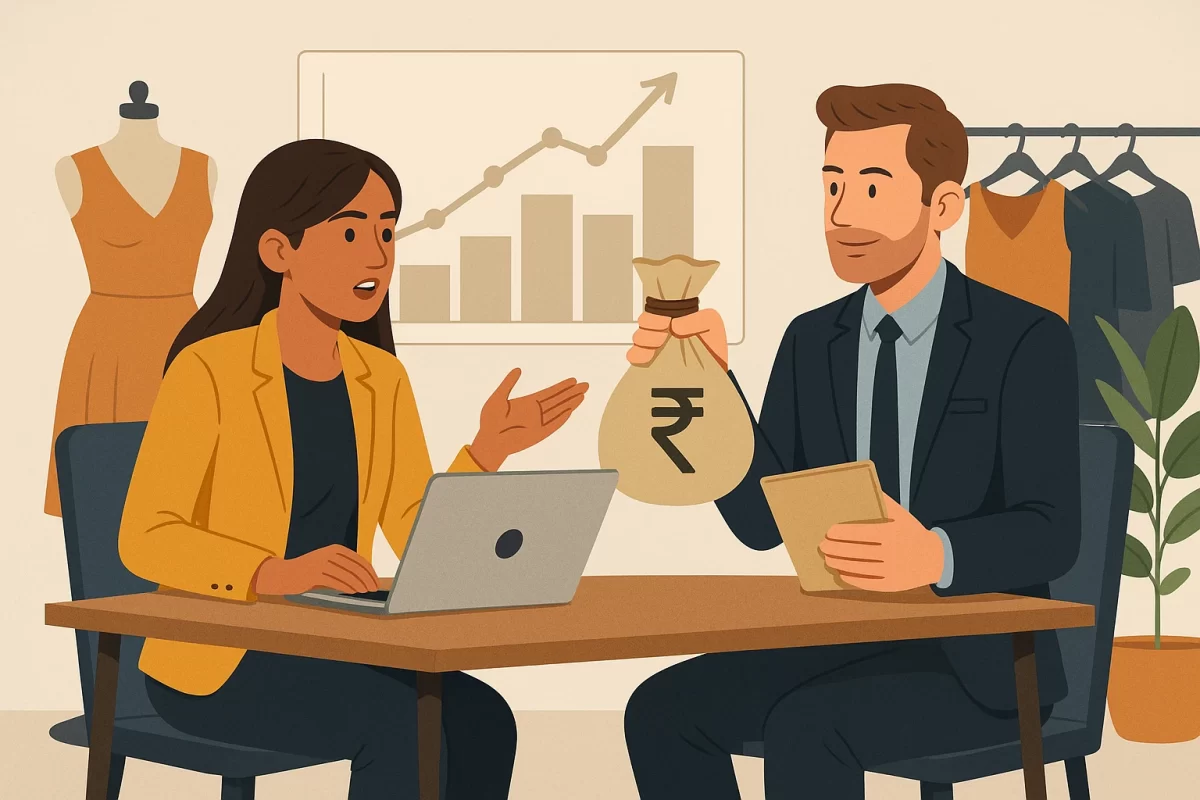
In India’s fast growing D2C fashion landscape, capital is both an accelerator and a distraction. For first-time founders, the funding journey from pre-seed to Series A often feels like a blur of pitch decks, investor calls, and growth hacks. And somewhere along the way, many lose the one thing that made them unique to begin with: clarity of purpose.
Let’s be honest, building a fashion startup isn’t just about raising money. It’s about doing it without losing your voice, your vision, or your values.
In this blog, we’ll walk you through exactly how to navigate funding stages, grow sustainably, and stay mission aligned, all while impressing the people holding the cheque books.
Understanding the Fashion Startup Funding Journey
Before we dive deep, let’s quickly define what the common stages of startup funding actually mean in the Indian fashion context:
Pre-Seed Stage
Typical amount: ₹10L to ₹75L
Source: Friends, family, accelerator programs (like Dariaan), early angels
Purpose: Build MVP, test first drop, launch basic D2C store, gather early traction
Seed Stage
Typical amount: ₹1Cr to ₹5Cr
Source: Angel networks, micro VCs, institutional pre-seed funds
Purpose: Team hiring, branding, manufacturing scale, early CAC:LTV proof, ops setup
Series A
Typical amount: ₹10Cr+
Source: Tier 1 VCs (Blume, Elevation, Fireside, etc.)
Purpose: National scale, retail expansion, large inventory cycles, team building, tech stack enhancement
Each stage is not just about money – it’s about milestones, and how effectively you’ve reached the previous ones.
Pre-Seed: The Stage of Product Proof & Founder Clarity
At this point, you’re still early – maybe you’ve launched your first collection, have a few hundred customers, and are running the show yourself.
But what really matters to investors at this stage is not how big you are, it’s how sharp your vision is.
What You Need to Raise Pre-Seed:
- A real, tangible product (not just samples)
- Live Shopify site or working D2C model
- Basic traction (100–300 orders or ₹3–5L in monthly revenue)
- Clear understanding of your customer (demo + psychographics)
- Your personal why – why you, why now, why this?
What Makes You Stand Out:
- Founder conviction: Be visibly obsessed with solving this problem
- Cost control: Show you know how to make ₹1 stretch to ₹10
- Feedback loops: You’re already improving based on customer reviews
- Accelerator/mentor support (like from Dariaan) adds weight to your credibility
Angel Investor from Mumbai once said, at pre-seed, we don’t back metrics – we back momentum.
Seed: The Stage of Systems, Not Just Sales
This is where most fashion founders hit the first real wall. You’ve found your initial PMF (product market fit). You’ve run ads. You’ve had success on Instagram.
But now you need to prove that you can do this again and again, without burning cash.
What Investors Expect at Seed:
- CAC and LTV clarity (unit economics)
- Margin structure (ideally 60%+ gross)
- Brand differentiation (voice, mission, aesthetic)
- Supply chain that scales
- Retention strategy (repeat orders, WhatsApp flows, loyalty)
- A 12 – 18 month use of funds plan
Common Founder Mistakes:
- Over obsession with scale, underinvestment in backend systems
- Hiring too fast, without SOPs
- Spending too much on paid acquisition, ignoring repeat purchase channels
- Blindly copying high growth brands instead of building their own path
At Dariaan, fashion founders are trained to build infrastructure during this phase:
- Team blueprint
- Funnel mapping
- Operational SOPs
- Monthly metric dashboards
- Founder performance systems
This prevents the scale and burn trap that so many fall into post seed.
Staying Focused as You Grow
The biggest risk from seed to Series A isn’t competition or market conditions, it’s losing focus.
Here’s what that looks like:
- You start chasing every trend (phygital, metaverse, AI fashion, NFTs…)
- You forget why customers choose you in the first place
- You expand too fast, too soon (new categories, offline, international)
- You spend more time pitching than building
Here’s how to stay centered:
- Set a north star metric (like repeat order % or LTV) and track it religiously
- Keep a brand non-negotiables doc like voice, ethics, community promise
- Say no to non strategic collabs, even if they bring reach
- Block weekly product/vision time where no investor or marketer interferes
- Document everything – vision, hires, learnings
Funding is a tool. Not the goal.
Series A: Building the Business, Not Just the Brand
Series A is a different ball game. Here, VCs expect you to be a real business – with numbers that scale, operations that hold, and a brand moat that defends.
What You Need for Series A:
- 12 to 24 months of steady growth (ideally 10% MoM)
- Burn multiple (how much you spend to grow) under control
- Clear LTV:CAC ratio (3:1 preferred)
- Early offline/retail proof or scaling plan
- Strong founding + leadership team
- Category dominance or clear wedge
- Predictable acquisition channels (not just it went viral)
At this stage, VCs don’t just want to know your past, they want to see your systems, people, and playbook for the next 3 years.
How to Pitch Without Losing Your Soul
Fashion founders often feel they need to sound like SaaS bros in pitch rooms.
Fashion is about emotion, storytelling, vision. Investors love founders who:
- Know their numbers
- But lead with their mission
- Speak with clarity, not buzzwords
- Show real community love, not vanity metrics
A good investor wants to help you build. Do not change your DNA.
Ideal Use of Funds (Each Stage)
Pre-Seed
- First hires (ops or marketing support)
- Inventory for best sellers
- Packaging, visual branding
- Funnel testing (ads, SEO, email)
Seed
- Inventory depth + scale-up vendors
- Influencer + performance marketing
- Retention systems (CRM, loyalty)
- Content team / brand head
- Tech stack (ERP, analytics)
Series A
- Offline expansion (own stores or partner shelves)
- Deeper tech integration (custom stacks)
- Senior hires (CMO, COO)
- Advanced logistics (fulfillment partnerships)
- International testing
Always tie fund use to outcomes:
Like ₹25L for reordering top 10 SKUs, expected to generate ₹1Cr revenue in 3 months.
Investor Ready Metrics to Track
| Metric | Why It Matters |
| CAC & LTV | Profitability & scalability proof |
| Gross Margin | Product quality + pricing power |
| Repeat Purchase Rate | Brand loyalty signal |
| Organic Traffic % | Community + brand pull indicator |
| Return/Refund Rate | Product market fit clarity |
| Burn Rate | Financial discipline |
| North Star (e.g RPV) | Aligned internal focus |
Platforms like Dariaan teach founders to report this monthly, building habits for financial storytelling and investor transparency.
Founder Quote (Based on Real Patterns at Dariaan)
Before Dariaan, I thought raising money was about getting the biggest cheque. Now, I know it’s about getting the right fuel for the right fire. Every rupee needs a roadmap.
This clarity separates serious founders from hobbyists in the eyes of investors.
Final Thoughts: Grow, But Don’t Drift
Raising funds can amplify your mission or derail it.
As a fashion founder, you’re building in one of the most emotional, crowded, and fast moving spaces out there. Your identity is your strength. Your product is your language. Your brand is your equity.
From pre-seed to Series A, your job is not just to scale sales – it’s to scale clarity. The clearer your numbers, your systems, and your story, the more capital flows in the right direction.
So raise wisely. Spend strategically. And never forget what made your first customer fall in love.
Because that, more than any funding round – is what will carry you through.
Also Read: Investor Expectations from Fashion Startups in India: Checklist Inside