Top Trending Fabrics & Styles in Indian Fashion 2025
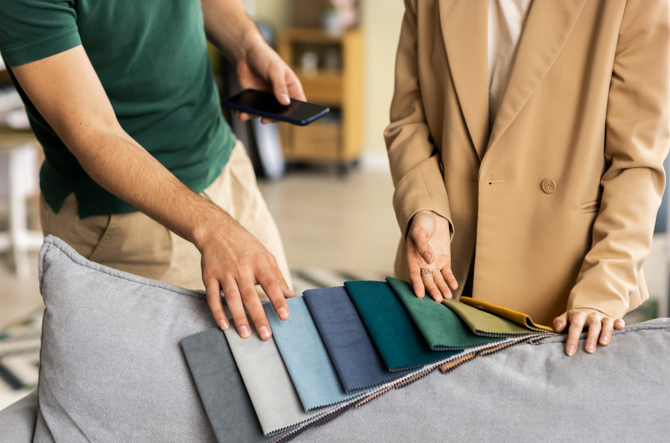
India’s fashion ecosystem in 2025 is at a crossroads where textile innovation meets cultural reimagination and style becomes a form of comfort, identity and sustainability. For founders building in the D2C fashion space, this year demands more than great design – it requires smart fabric choices and style decisions rooted in real demand.
Inside Dariaan, our founder-first accelerator, we see this shift daily. Our fashion cohorts are building not just collections but repeatable businesses grounded in fabric awareness, trend alignment and consumer obsession.
This blog unpacks the most impactful fabric and style trends shaping India’s D2C landscape in 2025 and how early-stage fashion brands can apply them to drive loyalty, investor confidence and scale.
Why Fabrics Matter More Than Ever in 2025
Let’s start here – fabrics are no longer just base materials. In today’s D2C first India, they’re brand differentiators. The Indian customer is increasingly:
- Aware of what they wear
- Demanding climate-smart, breathable clothing
- Seeking longevity and comfort
- Prioritizing ethical sourcing and softness over flash
At Dariaan, we coach founders to treat fabric selection as a strategic business decision, not just a creative one because material choices directly impact retention, LTV and repeat order potential.
Let’s look at what’s trending.
Trending Fabrics in Indian Fashion 2025
1. Bamboo Cotton: The New Sustainable Softness
This sustainable hero fabric is dominating athleisure, maternity wear and comfort first essentials.
Why is it trending ?
- Ultra soft texture
- Naturally antibacterial and breathable
- Biodegradable and low environmental impact
Seen in:
Sleepwear brands, yoga sets, innerwear and maternity lines.
Several brands in dariaan’s digital acceleration program have adopted bamboo cotton to increase first order delight and promote long term repeat behavior.
2. Modal and Tencel: Luxe Meets Everyday
Fashion founders are embracing these regenerated cellulose fibers to create premium feeling basics with eco-forward credentials.
Why is it trending ?
- Silky drape with structure
- Absorbs moisture 50% better than cotton
- Made from responsibly harvested wood pulp
Seen in:
Daily wear kurtas, Indo-western tops and breathable dresses
Dariaan fashion founders learn to source Modal and Tencel through vetted suppliers, ensuring material integrity and operational scalability.
3. Knitted Linen Blends: Relaxed Yet Premium
Linen is no longer a luxury summer staple, it’s entering daily wear through blends that soften its ruggedness.
Why is it trending ?
- Airy, breathable texture
- Wrinkle tolerant in blends
- Cool to touch, great for Indian climates
Seen in:
Airport fits, gender neutral shirts and weekend wear
At Dariaan, we help founders align linen with accessible price points by leveraging cotton viscose blends for mass market reach.
4. Recycled Polyester (rPET): Eco-Performance Gear
Activewear and streetwear brands are championing recycled polyester, made from PET bottles to serve function with purpose.
Why is it trending ?
- Fast drying, durable
- Appeals to eco-conscious Gen Z
- Supports India’s circular economy goals
Seen in:
Urban sportswear drops, college casualwear and utility fashion
Our accelerator helps brands validate rPET based collections with LCA tools and carbon reduction tracking, adding ESG credibility to pitches.
5. Kala Cotton: India’s Textile Heritage, Reimagined
An artisan forward story, Kala Cotton is growing as a slow fashion symbol with an earthy aesthetic.
Why is it trending:
- Indigenous, pesticide free crop
- Supports rural artisans and heritage weaving
- Feels rooted, rugged and timeless
Seen in:
Minimalist brands, sustainable fusionwear, unisex ethnic edits
Dariaan connects founders to certified Kala Cotton clusters and helps price artisan led products for scalability, not just storytelling.
Style Trends Dominating Indian Fashion in 2025
Now let’s shift to how these fabrics translate into visual, wearable fashion.
1. Elevated Essentials: Minimal, Premium Basics
Consumers want to wear comfort but with sophistication. Basics are being redefined through stitching detail, tonal shades and premium fabrics.
Seen in:
Oversized t-shirts, boxy crop tops and drawstring trousers
Why does it work ?
Style + softness = repeat order magnet
Dariaan backed founders are coached to build hero SKUs in this segment for consistency in reordering patterns and lower return rates.
2. Draped Contemporary Indianwear
Indianwear is no longer wedding specific. Young consumers are adopting fusion silhouettes that feel festive yet fluid.
Seen in:
Wrap kurtas, belted tunics, slit co-ords and cotton sarees
Why does it work ?
Aesthetic without discomfort. Tradition without heaviness.
Dariaan helps fashion brands localize these styles for tier-2/tier-3 cities using AEO+SEO data from high-intent search terms.
3. Co-ord Sets: Easy Style for Every Context
The matching set boom continues especially in casual and festive hybrid wear.
Seen in:
Cotton short sets, shirt-pant co-ords and print twinsets.
Why does it work ?
Better average order value (AOV) and effortless styling.
Co-ords also drive faster repeat purchases, something Dariaan founders learn to track using bundle frequency dashboards in their analytics setup.
4. Gender-Fluid, Mood Based Fashion
Consumers are styling beyond gender lines – choosing clothes based on feel, function and form.
Seen in:
Boxy shirts, overshirts, utility jackets and relaxed fit trousers
Why does it work ?
Reflects urban mental health narratives + emotional dressing
Dariaan helps fashion startups build inclusive sizing matrices and run real world testing for silhouette validation.
5. Soft Maximalism: Prints, Layers, Artistic Flair
While minimalism rises, there’s space for expression: layered patterns, bold florals and crafted chaos.
Seen in:
Patchwork jackets, mixed-print saris and embroidered tunics
Why does it work ?
Looks editorial, photographs well and drives high engagement on social
These styles form the editorial spike in many Dariaan founders’ drop cycles, boosting launch day visibility.
What These Trends Mean for Fashion Founders
To succeed in 2025, founders must make fabric and style business levers, not just creative choices.
1. Source Smart, Not Trendy
Choose materials based on repeat potential, not hype.
At Dariaan, we share curated sourcing lists based on geography, MOQs and quality feedback.
2. Design for Real Contexts
Your clothes should work in Indian summers, Diwali dinners and tier-2 townships.
Dariaan helps founders validate this through consumer testing cohorts before scaling styles.
3. Build Content Around Fabric Stories
Each drop should educate: why this fabric, where it’s from, how it feels.
Dariaan teaches founders to turn material choices into SEO hooks + repeatable content funnels.
Final Thoughts: Build the Future, One Fiber at a Time
Fabric is the foundation. Style is the delivery. But it’s the system behind them that turns a fashion idea into a fundable, loved and scalable brand.
At Dariaan, we empower founders to make smart fabric choices, pair them with trend-forward silhouettes and build the backend that keeps customers coming back.
Because in 2025, it’s not about who goes viral, it’s about who stays relevant.
Wearability is the new virality.
Fabric is the new marketing.
And focus is the real fashion currency.